
Why Cold Rooms and Freezer Rooms Consume More Electricity
A rising refrigeration bill does not necessarily mean the compressor is inefficient. Long runtime may reflect unexpected heat loads, air leakage or poor heat transfer. Start with operating data and investigate the causes before replacing equipment.
01Measure before diagnosing
Separate consumption
Where available, compare dedicated refrigeration meter readings with runtime, temperature and stock levels. The total site bill may include unrelated loads.
Establish a baseline
Collect representative operating data, including loading, door activity and ambient conditions. Do not compare periods with different throughput and weather as if conditions were identical.
02Insulation and air leakage
Inspect the envelope
Check joints, doors, penetrations and damaged or damp areas. Condensation or moisture is a clue that needs investigation to establish its cause.
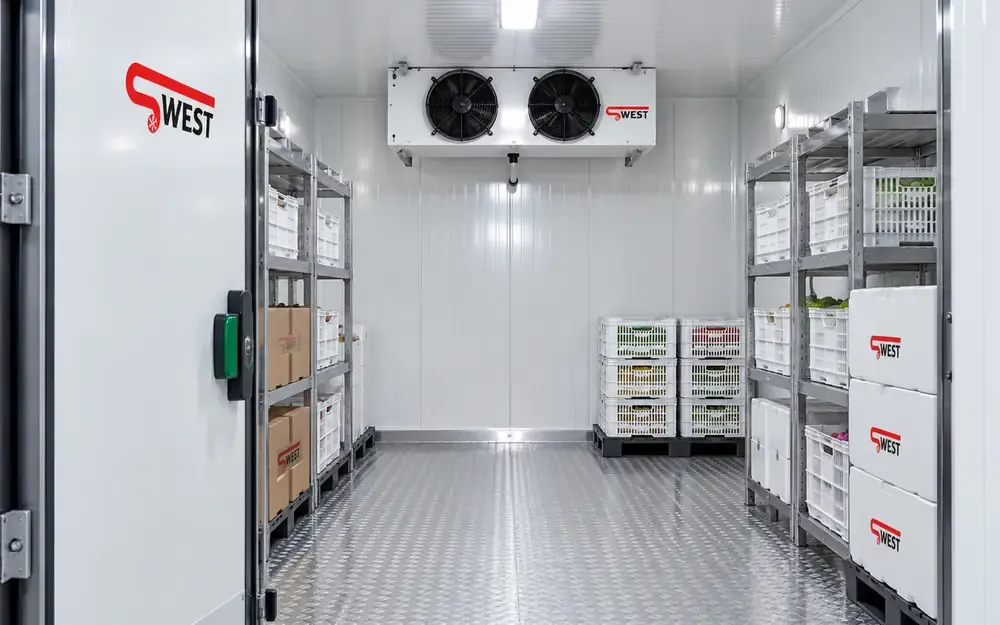
Door activity
Repeated long openings increase air exchange with the surrounding area. Organize loading and inspect gasket condition and door suitability for the traffic pattern.
03Product heat loads
Incoming product temperature
Warm incoming goods may impose a greater load than pre-chilled goods. Provide the designer with daily incoming quantity, arrival temperature and required holding conditions.
Air circulation
Avoid obstructing airflow around the evaporator or stacking goods contrary to the design. Investigate temperature variation across the room, not just one sensor reading.
04Refrigeration equipment condition
Condenser and evaporator
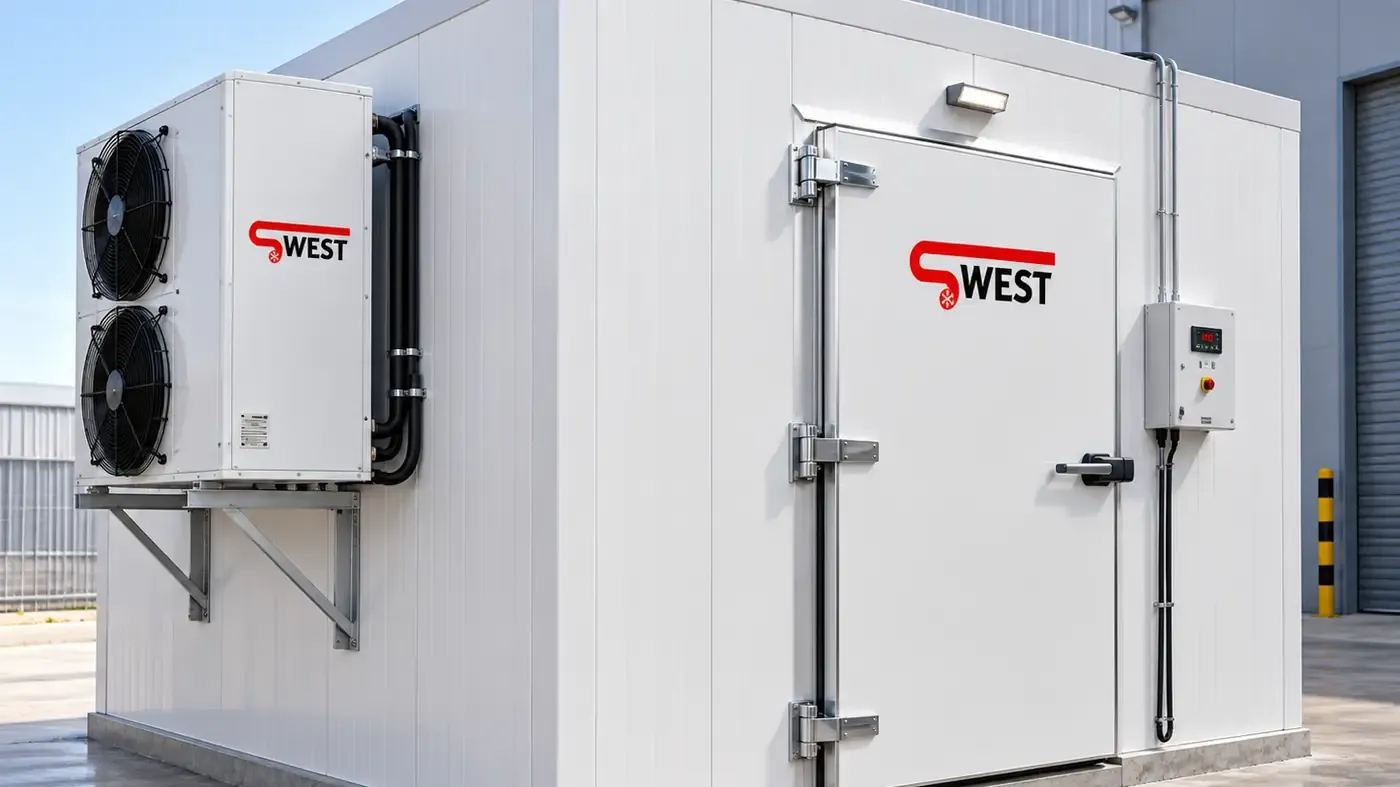
Dirt or restricted airflow can impair heat transfer. The US Department of Energy walk-in refrigeration study includes coil inspection and cleaning among typical maintenance activities.
Technical diagnosis
Refrigerant circuit and electrical checks require a qualified technician familiar with the equipment. Do not alter charge or protection settings based solely on rising energy use.
05Controls and operating cycles
Setpoint and defrost
Confirm the setpoint against product requirements. Defrost settings depend on system design, moisture conditions and manufacturer instructions.
Readings and alarms
Review sensor logs, runtime and alarms to establish when the issue occurs. Unreliable readings may cause operation that does not match the actual need.
06Plan corrective work
Prioritize evidence
Address causes supported by measurements and inspection, then assess whether repair or component upgrades are justified. Review cold and freezer room services to match corrective work to the room design.
Request an assessment
Send dimensions, setpoint, stored products, energy records, unit photographs and fault history to SWEST for an appropriate inspection scope.
Have a project like this? Our engineering team in Jeddah runs the load calculation, proposes the solution, and comes back with a detailed quotation within one working day.
Read next
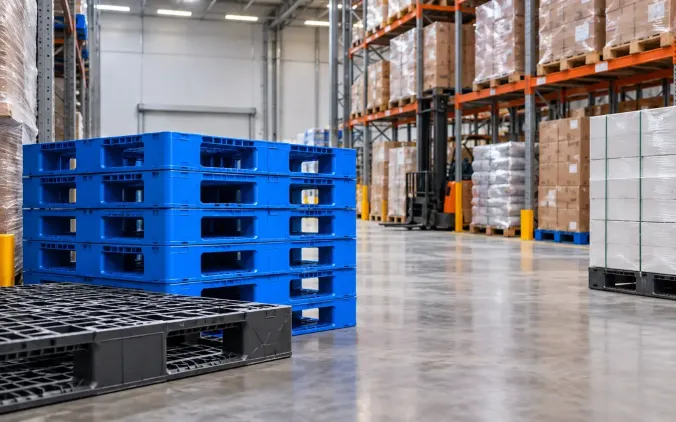
Steel vs Plastic Pallets for Refrigerated Warehouses: A Buyer's Comparison
Compare steel and plastic pallets by storage method, load, racking, handling, cleaning and lifetime cost.
Read the article
Preparing Pharmaceutical Transport Vehicles in Saudi Arabia
Review medicinal product conditions, insulation, refrigeration, monitoring and vehicle qualification before requesting a conversion quotation.
Read the article