
Plastic Pallets for Cold Rooms and Freezers: A Buyer’s Guide
Pallet dimensions or a claim of high load capacity are not enough to select plastic pallets for cold rooms and freezers. Define load weight and support conditions, including floor storage, handling and racking, and confirm the proposed model’s temperature suitability. These details make supplier comparisons more useful and help avoid pallets that do not fit the operation.
01Define the unit load and its route through the warehouse
Measure the loaded pallet
Record packaging type, goods weight, stacking and securing arrangement, and total loaded height. Measure the complete unit load, including any overhang, and review its route from receiving through storage to dispatch. A pallet used for short-term staging near a doorway has a different duty from one stored loaded in elevated racking or repeatedly moved between departments. Request a selection against that duty rather than a photograph alone.
Establish whether pallets circulate internally or leave the site
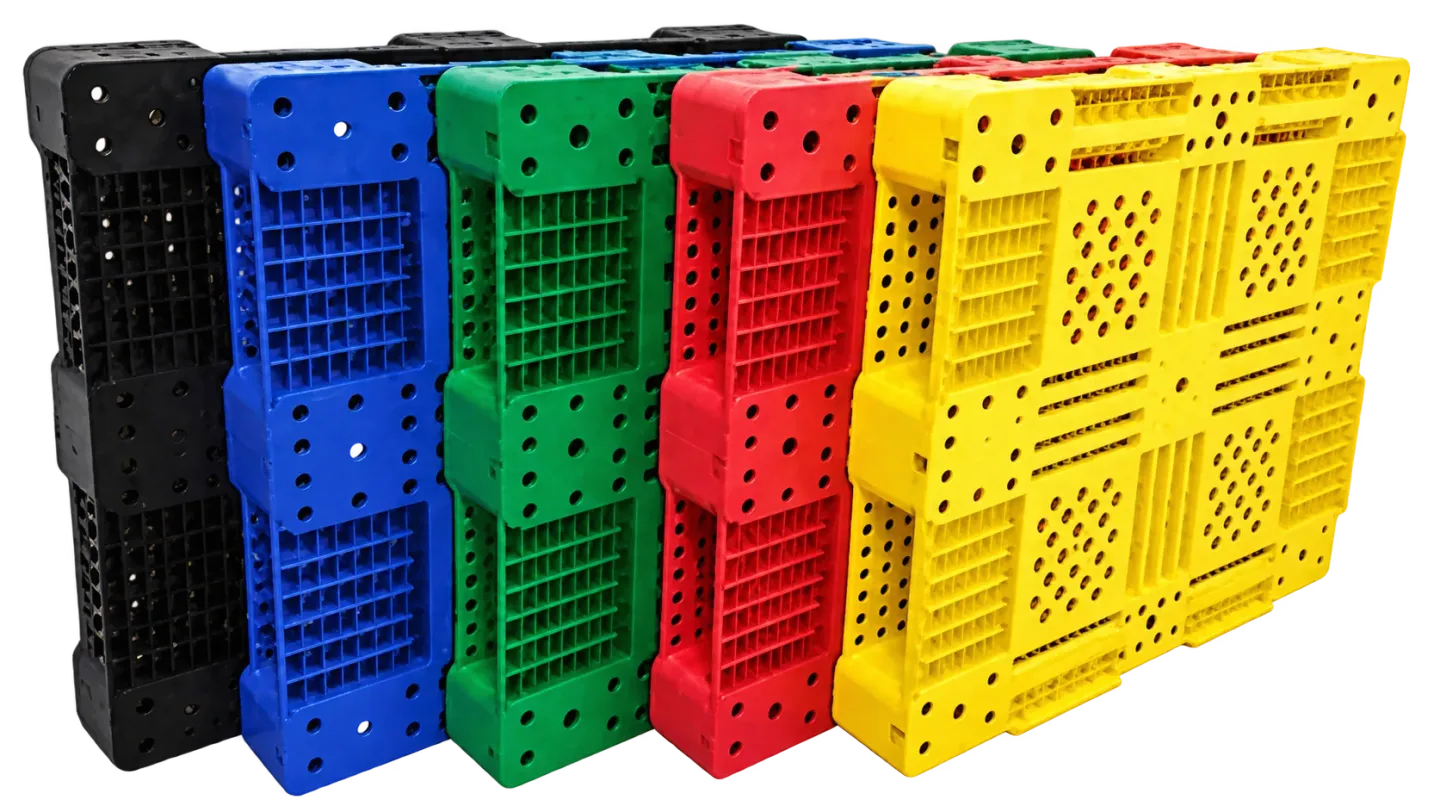
Will pallets return to your warehouse or travel to customers? Will incoming pallets arrive from different suppliers? These questions help define identification, sorting, inventory control and inspection of returned units. Use the SWEST plastic pallet catalogue listing to identify the category. It shows the product without a dimensions or load-capacity table, so obtain written model-specific data before approving the order quantity.
02Distinguish static, dynamic and racking loads
Three ratings describe different conditions
Static load refers to a stationary supported condition, dynamic load to handling, and racking load to support within a storage system. These ratings are not interchangeable because the pallet may be supported differently in each case. The Craemer technical pallet brochure separates these ratings under defined test conditions and notes the effect of use conditions. It explains how to read data; it does not establish SWEST product ratings or approval by that manufacturer.
Match the rating to the actual support arrangement
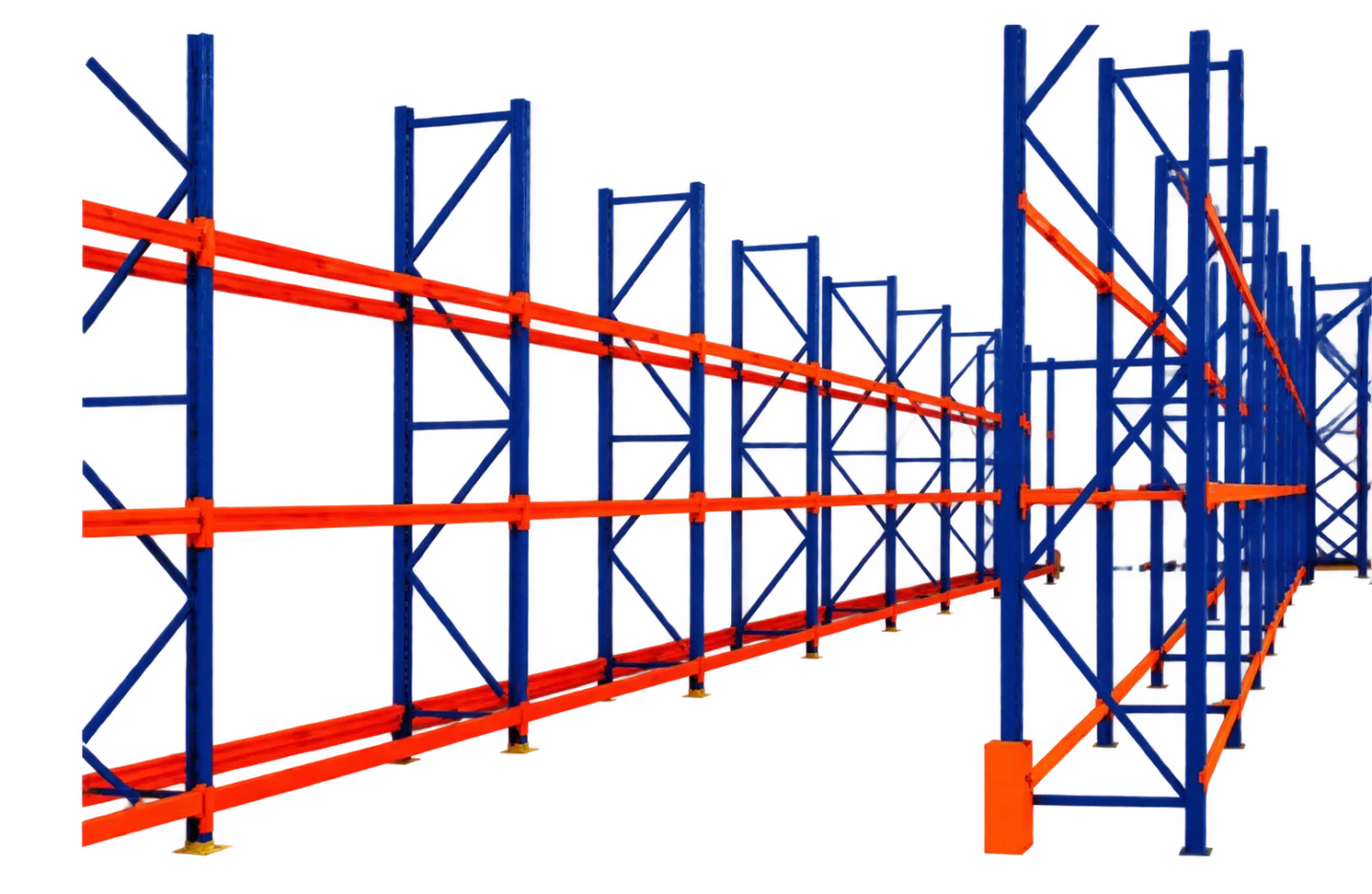
For warehouse and cold-store racking, send the supplier a drawing of the support positions, spans and pallet orientation. Confirm compatibility with the party responsible for the racking and the approved limits of the complete system. A successful floor-storage trial does not establish racking suitability. State the intended storage and handling conditions in the purchase request so the quoted capacity addresses the correct use.
03Confirm temperature suitability and handling compatibility
Request an operating range for the specific model
List the temperatures encountered, storage duration and movement between site areas. Request written confirmation linking the proposed model to those conditions, load and support arrangement, rather than a general statement that it is suitable for cold storage. Do not transfer another manufacturer’s temperature range or load rating to the offered product. A material name alone does not replace model-specific data, product condition and declared operating limits.
Review fork entry and the pallet base
Provide the forklift or pallet-truck type, required entry directions and relevant fork and wheel dimensions. Review entry openings, feet or runners and whether the equipment can handle the pallet without unacceptable interference. Trial a sample with the actual equipment under an agreed safe procedure and documented operating limits. This is useful before a large purchase, particularly when changing base design or introducing a new pallet model to an existing facility.
04Plan cleaning and inspection before purchase
Choose a design the site can clean and inspect
Review the deck, corners, openings and access for cleaning, plus drying arrangements before reuse. Identify cleaning agents, temperatures and methods, then ask the supplier to confirm compatibility with the product. For food operations, obtain documentation appropriate to the intended use. Colour or washability alone does not establish suitability for direct food contact or replace the business’s hygiene procedures.
Separate damaged units and define reuse rules
Set a procedure to check cracks, distortion, damaged edges and missing parts before pallets return to circulation. Acceptance, repair or withdrawal criteria should follow supplier instructions and the site’s assessment, with doubtful units isolated. Provide identifiable areas for clean, returned and damaged pallets and record recurring problems. A low purchase price offers little value if the model does not suit the operation or cannot be inspected conveniently.
05Plastic pallet prices: compare specifications and supply scope
Compare one model or clearly described alternatives
Request dimensions, tare weight, material, deck and base design, handling directions, load ratings and their conditions, and the operating-temperature range. Add quantity, price, tax, transport, lead time and any written warranty terms. There is no universal price for a plastic pallet: product classes, specifications and supply scope vary. Where dimensions, base design or ratings change, ask how the alternative affects the intended use before comparing price alone.
Coordinate pallets with the storage layout
Review unit-load quantities, aisles and storage locations against the room layout and handling equipment. Having pallets available does not establish that their arrangement supports staff movement, cleaning and equipment access. For a new site, discuss the requirements with SWEST’s steel and plastic pallet service and, where relevant, the cold room and freezer room team. Select the storage elements around their combined operating layout.
06Questions before ordering pallets for cold storage
Are plastic pallets suitable for every freezer?
Suitability cannot be assumed across all models. Check the specific product for the intended temperature, load, support, handling and cleaning conditions. If a quoted load figure omits its condition or assumptions, ask for clarification rather than treating it as a universal guarantee.
What should you send for a quotation?
Provide loaded dimensions, weight, height and stacking arrangement; required quantity; operating temperatures; handling equipment; racking photographs or a support drawing; and the cleaning method. State whether use stays within one facility or includes external distribution. Use these details to request a pallet quotation from SWEST and obtain the proposed model’s specification before approval. Define the operating conditions first, then compare price against verifiable product details.
Have a project like this? Our engineering team in Jeddah runs the load calculation, proposes the solution, and comes back with a detailed quotation within one working day.
Read next
Steel vs Plastic Pallets for Refrigerated Warehouses: A Buyer's Comparison
Compare steel and plastic pallets by storage method, load, racking, handling, cleaning and lifetime cost.
Read the article
Preparing Pharmaceutical Transport Vehicles in Saudi Arabia
Review medicinal product conditions, insulation, refrigeration, monitoring and vehicle qualification before requesting a conversion quotation.
Read the article