
Cold Room Temperature Control, Alarms and Logging
Before choosing a cold room control panel, specify three functions: operate refrigeration, record readings and notify the person responsible for deviations. One system may combine these functions, or a controller, logger and communications gateway may share them. The configuration depends on product conditions, operating routines and how staff respond to alarms.
01Specify the functions before selecting a panel
Record the conditions for each compartment
Provide product types, approved storage conditions, delivery schedules and door traffic. Identify zones and functions required in each room. The food cold-store design guide helps organise product and handling information before you brief a controls supplier.
List control, logging and alarms separately
The controller operates equipment using inputs and settings. A logger retains readings, while notifications route events to the people responsible. Ask the supplier to map each function to the proposed devices and identify what operators can view locally, remotely and in exported records.
02Match each sensor location to its purpose
Identify each measuring point on the drawing
Agree on control, evaporator and additional monitoring sensors with the designer. An air sensor represents conditions at its measuring point. Review locations against airflow, doors and racking, and document what each reading represents before using it to assess a product incident.
Agree on a verification method
Define how to check readings against a reference instrument, where to compare them and under what operating conditions. Retain results and sensor names on the drawing. The Danfoss room and evaporator controls reference shows examples of separate inputs for regulation, display and monitoring.
03Coordinate defrost and evaporator control
Coordinate defrost with equipment selection
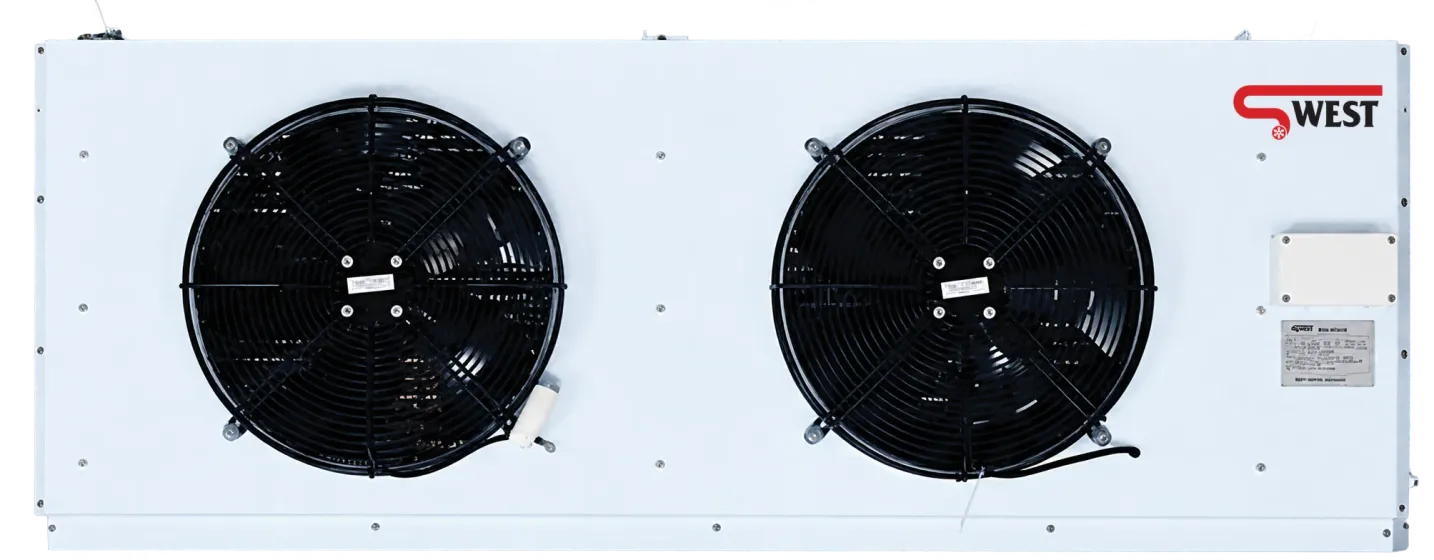
Request the defrost method and initiation and termination conditions, as well as fan operation and return to cooling. The configuration depends on the evaporator, defrost method and duty. See the DJ-30 evaporator listing for an equipment example and have the supplier confirm compatibility for the proposed system.
Record what happens during the cycle
Ask how defrost status appears on the panel and in the log, and how alarms handle changes during and after the cycle. Review alarm delays and return-to-normal behaviour against storage requirements. A time-stamped record helps staff relate changes in readings to the relevant operating event.
04Check how alarms reach staff
Decide which events require a notification
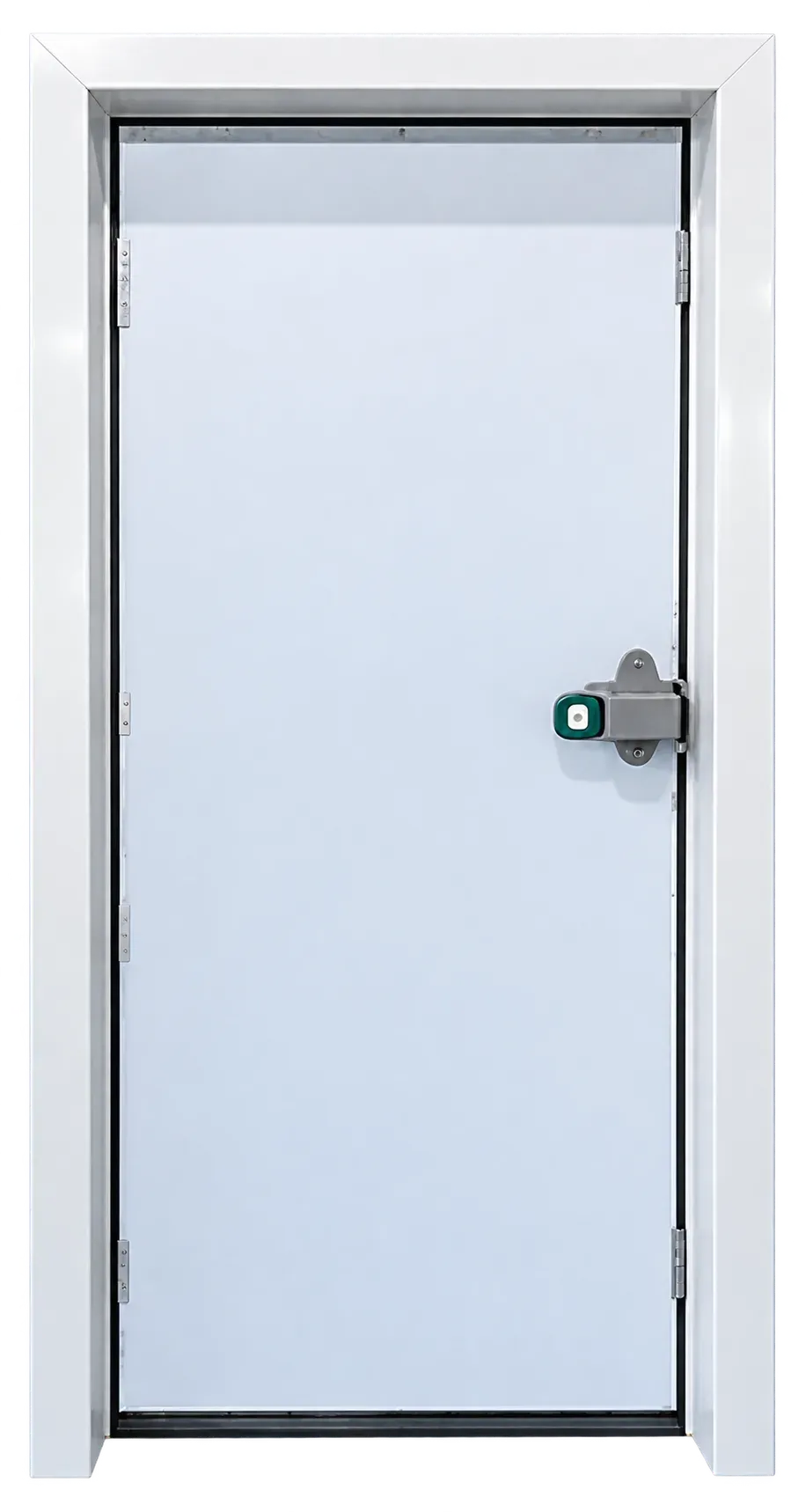
List required alarms, such as temperature excursions, sensor faults and prolonged door opening where detection is supported. Agree on each threshold, delay and escalation route. Review door monitoring against the insulated cold room door and the way staff operate it.
Test delivery after hours
Name a primary and backup recipient and agree on acknowledgement. Ask which functions continue during loss of communications or power for the configuration offered. Test notification delivery, recording and recovery with operating staff under an agreed scenario.
05Request a usable operating record
Define the data needed for review
Ask for a report showing room, sensor, time, reading and alarm status. Define recording interval, retention and export format around the facility’s needs, then export a real record during handover. Consistent sensor names help staff match a report to its physical location when investigating a deviation.
Document access and response responsibilities
Identify who can change settings, review records and handle alarms. Retain approved settings and the recovery procedure. Agree on the response with the person responsible for product quality. Interpret records together with product type, exposure duration and handling conditions when assessing an incident.
06Test functions before handover
Agree on an acceptance checklist
Have qualified personnel demonstrate sensor identification, cooling, defrost operation, notification and record export under agreed test conditions. Document the results and outstanding items as part of the cold room and freezer room handover.
Send the operating brief for a quotation
Provide drawings, product conditions, number of zones, notification recipients and record requirements. For an existing room, include photographs of the panel and identify the controller and evaporator models. Request a SWEST quotation using the functions your operating team needs.
Have a project like this? Our engineering team in Jeddah runs the load calculation, proposes the solution, and comes back with a detailed quotation within one working day.
Read next

Steel vs Plastic Pallets for Refrigerated Warehouses: A Buyer's Comparison
Compare steel and plastic pallets by storage method, load, racking, handling, cleaning and lifetime cost.
Read the article
Preparing Pharmaceutical Transport Vehicles in Saudi Arabia
Review medicinal product conditions, insulation, refrigeration, monitoring and vehicle qualification before requesting a conversion quotation.
Read the article