
Commercial HVAC Maintenance: Inspection Scope and Visit Reports
A facility manager needs to know which units were inspected, what changed in their performance and which findings need follow-up. Before approving a commercial HVAC maintenance contract, request a schedule that maps each asset to its location, inspection tasks and visit report. This gives you a common basis for comparing proposals and tracing recurring issues.
01Start with an equipment and operating register
Map each unit to the area it serves
Record asset ID, location, model, system type and served area. Identify units whose failure would interrupt operations and note access windows. Where the facility has different operating areas, use the factory and warehouse HVAC requirements guide to organise the zoning information.
Set inspection intervals around actual duty
Ask for a plan based on equipment instructions, running hours, site conditions and fault history. The ASHRAE commercial HVAC inspection and maintenance reference describes a structured maintenance practice. Agree on task intervals and how developing issues are handled between visits.
02Review airflow, filters and fans
Record the filter specification and condition
Specify filter dimensions, type and service method for each unit, then record its condition at every visit. If differential pressure can be measured, agree how it will be documented and compared against the equipment reference. Review the installed arrangement for equipment such as concealed ducted split units.
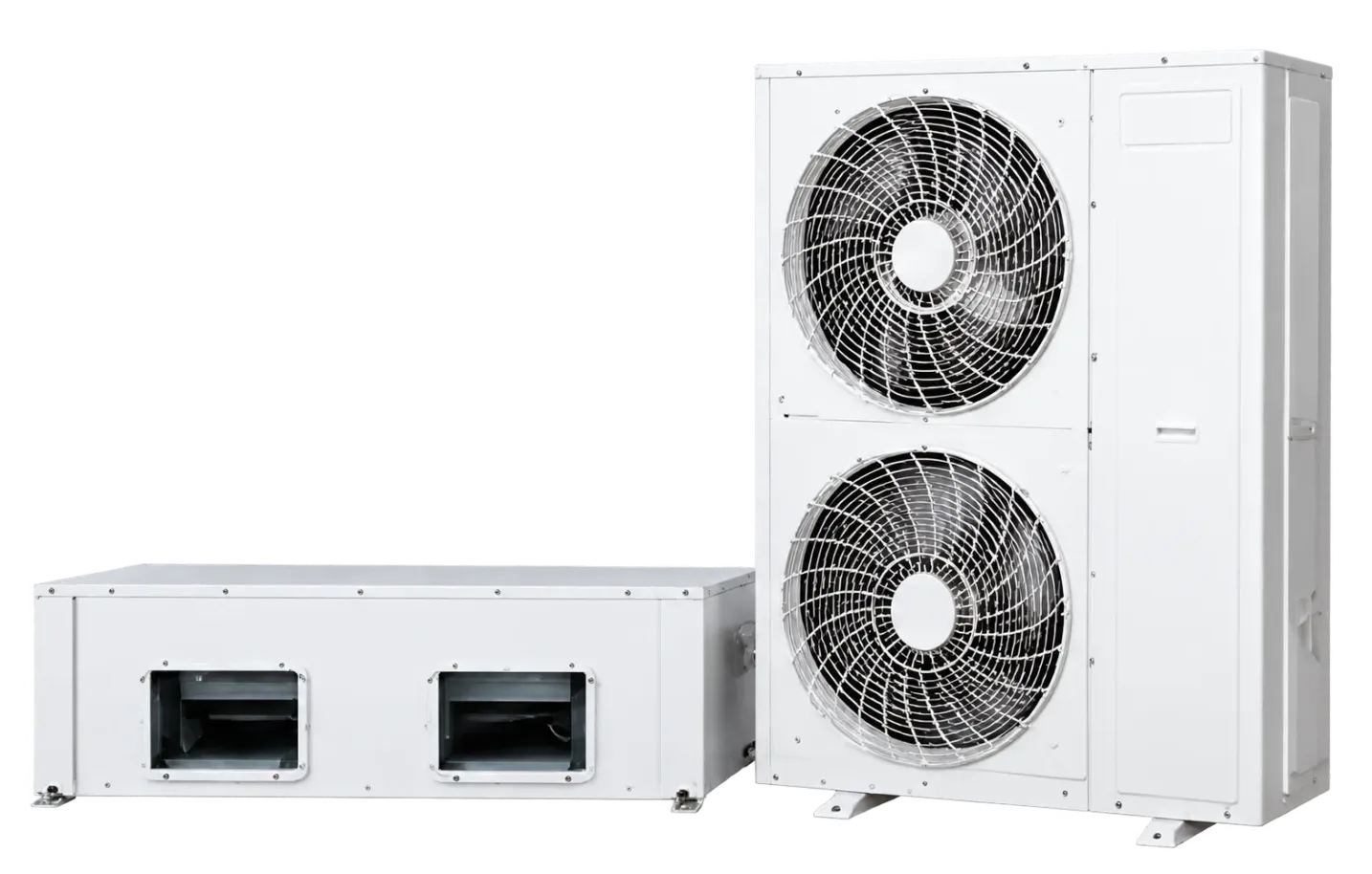
Review fans and supply and return paths
Have a technician inspect fans, motors and drive components where fitted, noting unusual noise, vibration or weak airflow. Review obstructions and changes in space use. Checking the air path helps determine whether the finding calls for equipment service or investigation of the ductwork.
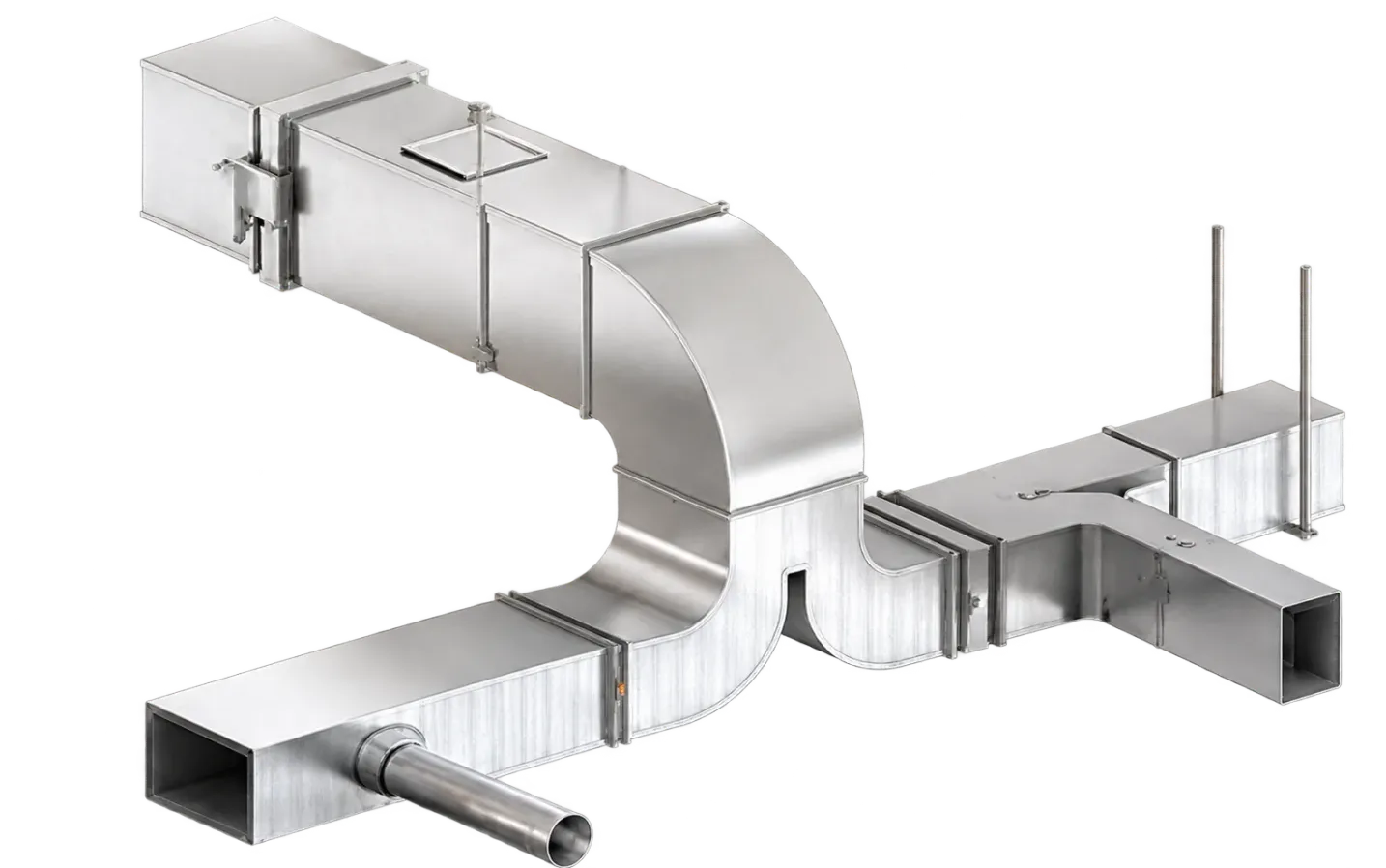
03Include coils and condensate drainage
Assess coils in their operating environment
Ask for a condition assessment of heat-exchange coils and their surroundings, particularly rooftop units exposed to dust. The service method depends on the equipment and coil condition. The Trane maintenance manual provides examples of coil, fan and drain checks for its units. Use the instructions for your installed models.
Inspect the drain pan and condensate route
Request a record of drain and pan condition, leaks and signs of moisture near the unit. Define access and the model-appropriate drainage check. If the issue recurs, record location, operating conditions and the result after corrective work so the follow-up addresses a specific finding.
04Check controls and operating functions
Match control schedules to operating hours
Review operating schedules, control zones and recurring calls. Record the baseline and reason for each setting change and assess its effect on adjacent areas. For equipment such as packaged air conditioners, the installed model and controls determine the functions to test.
Assign specialist inspections to qualified staff
Place electrical, protective control and refrigerant circuit checks with qualified technicians following equipment and site procedures. Ask them to record the finding, the verification method and the proposed work. Agree who approves repairs and parts outside the scheduled maintenance scope.
05Ask for readings and an asset report
Compare readings under recorded conditions
Agree which readings are needed for each unit, where they are taken and how the equipment is operating. Compare them with the applicable design or model reference and past visits under comparable conditions. Record changes in load or outside-air settings so that variations can be interpreted.
Request a visit report with actionable findings
Require the asset ID, completed checks, readings, observations and work performed or deferred. Assign priority by operational impact, with a responsible person, due date and recheck outcome. Link corrective work to a recorded finding so the next visit can follow the condition of the same asset.
06Compare contracts on an agreed scope
Clarify visits, repairs and parts
Ask for an equipment list, tasks, visit intervals, reports and response terms. Clarify pricing for repairs, parts and emergency visits. Include rooftop and ceiling access and approved working hours. Discuss the scope with the SWEST refrigeration and HVAC maintenance service.
Send a brief for the maintenance quotation
Prepare an asset list, nameplate photographs, operating hours, fault locations and available reports. Identify critical equipment, access constraints and planned downtime windows. Request a SWEST maintenance quotation that specifies inspection tasks and the records delivered after each visit.
Have a project like this? Our engineering team in Jeddah runs the load calculation, proposes the solution, and comes back with a detailed quotation within one working day.
Read next

Steel vs Plastic Pallets for Refrigerated Warehouses: A Buyer's Comparison
Compare steel and plastic pallets by storage method, load, racking, handling, cleaning and lifetime cost.
Read the article
Preparing Pharmaceutical Transport Vehicles in Saudi Arabia
Review medicinal product conditions, insulation, refrigeration, monitoring and vehicle qualification before requesting a conversion quotation.
Read the article