
How Door Openings Affect Refrigerated Van Performance
On a delivery route in Jeddah, a refrigerated van may hold its temperature in transit and show an air-temperature rise at every stop. Start by documenting how the van is loaded and used, then assess its insulation, airflow and refrigeration performance. This guide explains how to gather route data and compare fit-outs under realistic conditions.
01What changes when the doors open?
Outdoor air enters the cargo space
Air is exchanged through the open doorway. If outdoor air is warmer or more humid, the unit has more load to remove after the door closes. The size of the opening, how long it remains open and the local conditions at each stop all influence that load.
Air and product temperature respond differently
Air readings can react quickly to an opening. Product temperature may change at a different rate depending on packaging, mass and location. Compare the air log with product measurements taken under your operation's approved procedure before assessing the shipment or changing the setpoint.
02Document the delivery route
Log stops during a busy run
Record the time of each stop, which door was used, how long it stayed open and how much cargo was removed. Note whether the refrigeration unit operated while parked. Compare routine stops with the longest ones, since a route average can hide an especially demanding delivery.
Record product temperature at loading
Document the required holding range and the product temperature as it leaves the depot. Plan to pre-cool the cargo space where the equipment and its instructions allow. If product routinely enters warm, tell the supplier so that this additional load can be assessed independently during unit selection.
03Check doors, insulation and load arrangement
Inspect the seals before specifying more capacity
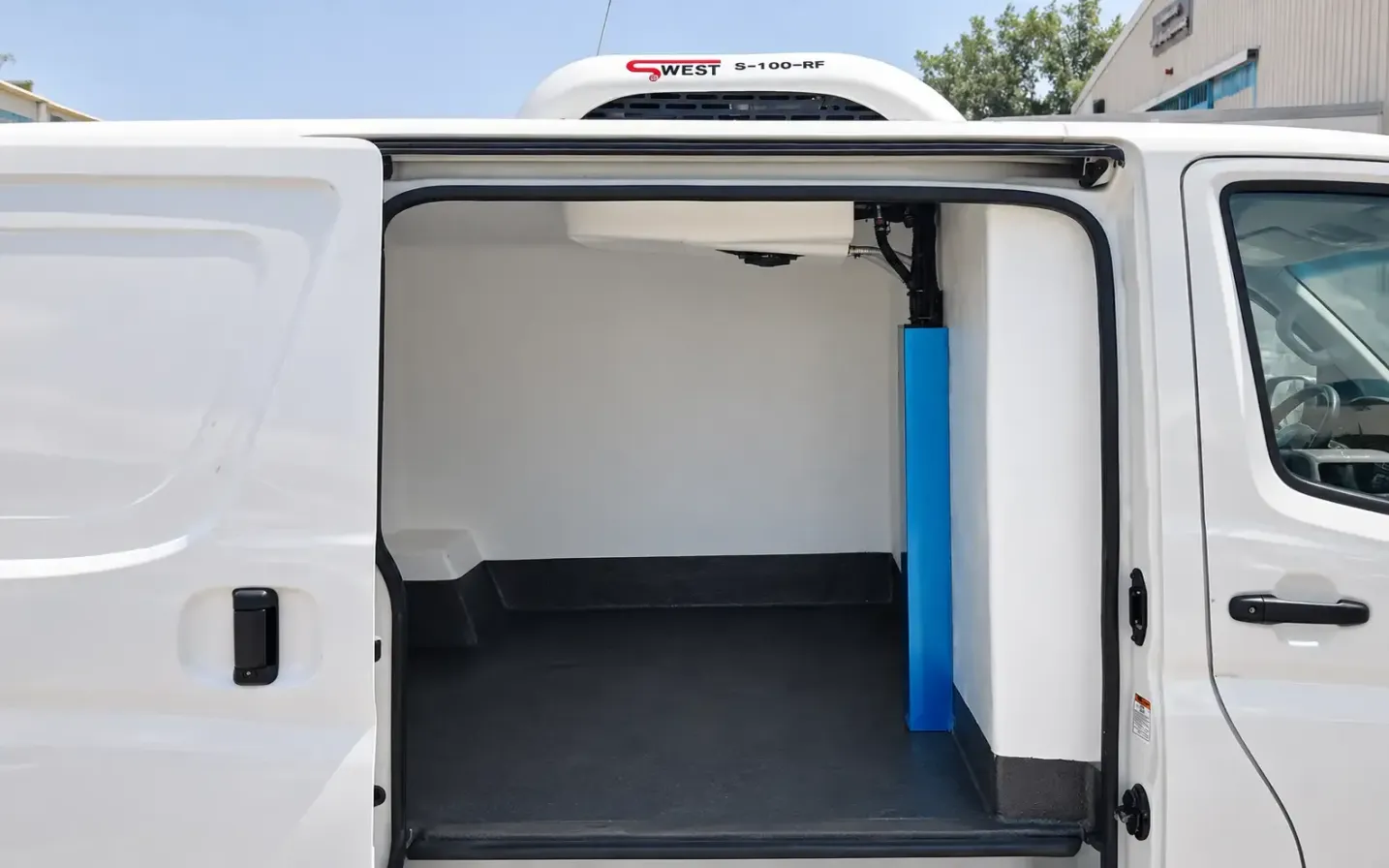
Have door alignment, seals and hinges checked, especially around corners and the sill. For frequent small deliveries, compare a smaller side opening with strip curtains where the cargo and cleaning routine allow. See Carrier Transicold's loading guide for practical loading guidance.
Stage orders in delivery sequence
Position early orders near the access point where the load can still be secured and weight distributed correctly. Preserve the airflow clearances specified by the unit manufacturer at the evaporator outlets and return path. Load in a sequence that reduces time spent looking for stock with the door open.
04Test recovery after the doors close
Give each event a start and an end time
Agree on probe positions before testing. Link each reading to the opening and closing times. Measure recovery from closure until air temperature returns to the agreed assessment band. If the next stop arrives before recovery, record that in the route report.
Compare tests under similar conditions
Keep ambient conditions, starting load temperature and cargo layout as comparable as possible. Log door openings, defrost cycles and unit downtime separately. This helps the reviewer identify which events correspond to each temperature rise.
05Decide whether the fit-out needs changes
When a few stops take much longer
Try staging orders in sequence, arranging handover times with the customer and checking which door arrangement suits the van. Measure the route again after the change. If a rise consistently follows use of one door, review that opening and its seal with the fit-out team.
When recovery stays slow after changes
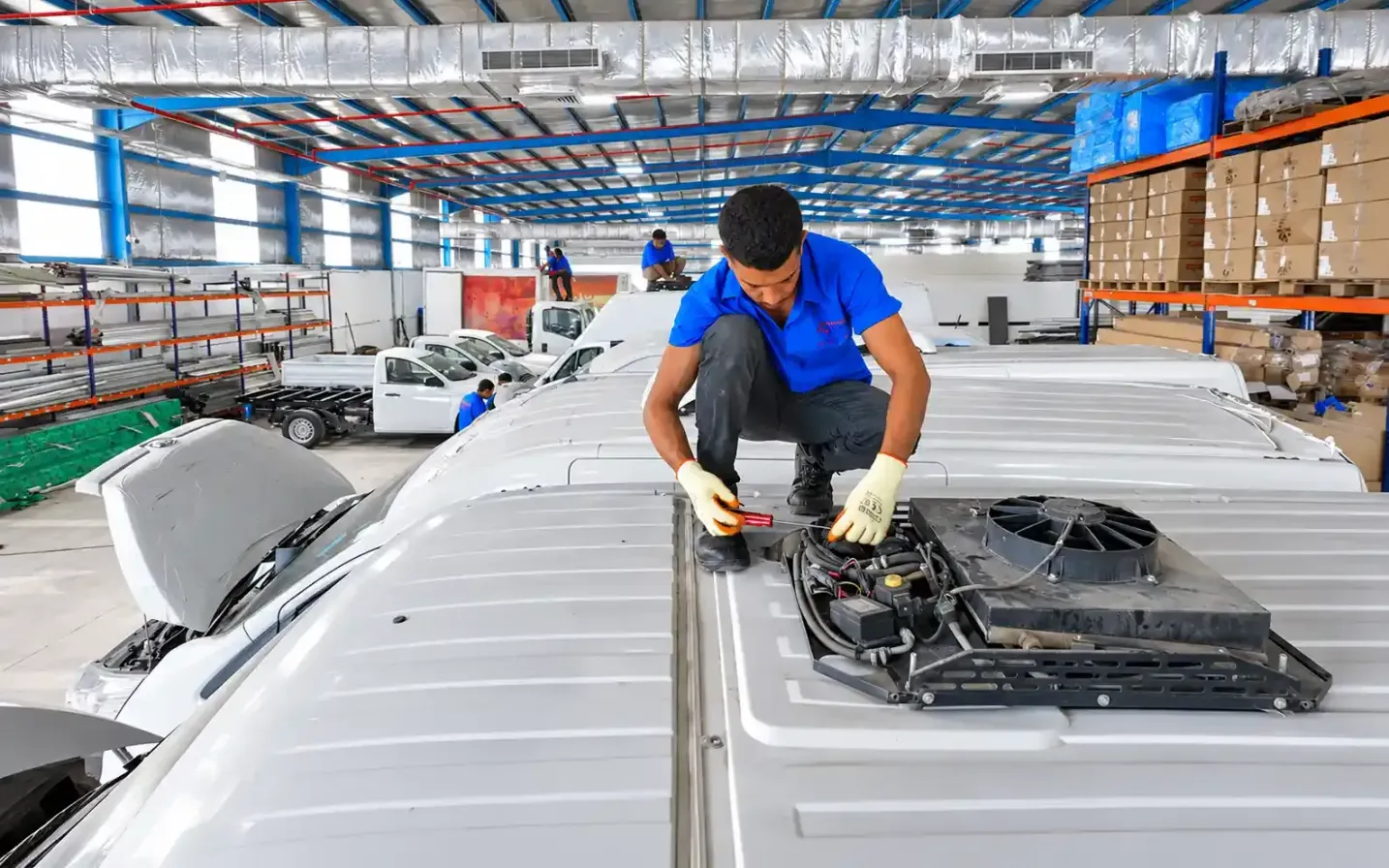
Give the technical team the route log, insulation and vehicle details, and probe positions. Ask it to review unit performance under the route conditions, available operating modes while parked and whether a door switch suits the model. See the SWEST van insulation and cooling service for fit-out options. When comparing units, see the vehicle refrigeration capacity selection guide.
06Prepare a quotation request
Provide comparable vehicle and route details
Send the vehicle model, year, fleet size and insulated cargo dimensions where available. Include product type, holding range, loading temperature, stop duration and doors used. For an existing vehicle, include photos of the doors, seals and typical cargo arrangement.
Agree on the acceptance test
Ask the supplier to specify the probe locations, door-opening pattern, loading conditions and format of the test record. Send your delivery route details to SWEST to request a new van fit-out or a review of an existing vehicle.
Have a project like this? Our engineering team in Jeddah runs the load calculation, proposes the solution, and comes back with a detailed quotation within one working day.
Read next
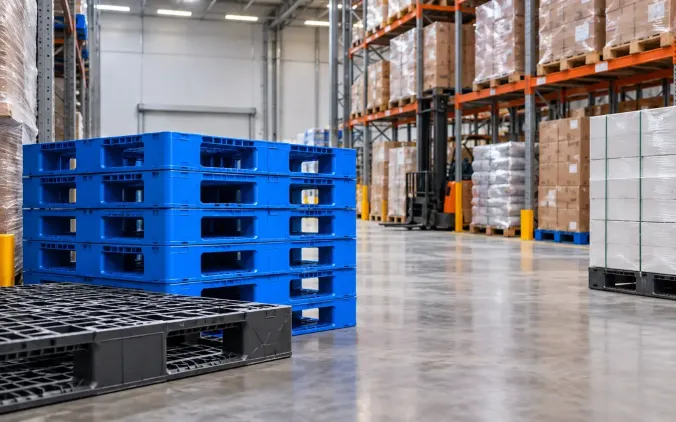
Steel vs Plastic Pallets for Refrigerated Warehouses: A Buyer's Comparison
Compare steel and plastic pallets by storage method, load, racking, handling, cleaning and lifetime cost.
Read the article
Preparing Pharmaceutical Transport Vehicles in Saudi Arabia
Review medicinal product conditions, insulation, refrigeration, monitoring and vehicle qualification before requesting a conversion quotation.
Read the article