
Refrigerated Vehicle Conversion in Jeddah: Options, Steps and Costs
A refrigerated vehicle conversion in Jeddah starts with your product, its required storage temperature and your delivery route. The vehicle, insulation and refrigeration unit then need to be selected as one system. A van making frequent restaurant deliveries across the city may need a different setup from a light truck carrying larger loads between Jeddah and Makkah—even when their cargo spaces are similar in size. This guide helps restaurant owners, central kitchens, distributors and fleet operators define their requirements and compare conversion proposals before committing. The final cost depends on the vehicle and its operating requirements; the vehicle model or refrigeration unit alone cannot tell you what a complete conversion should cost.
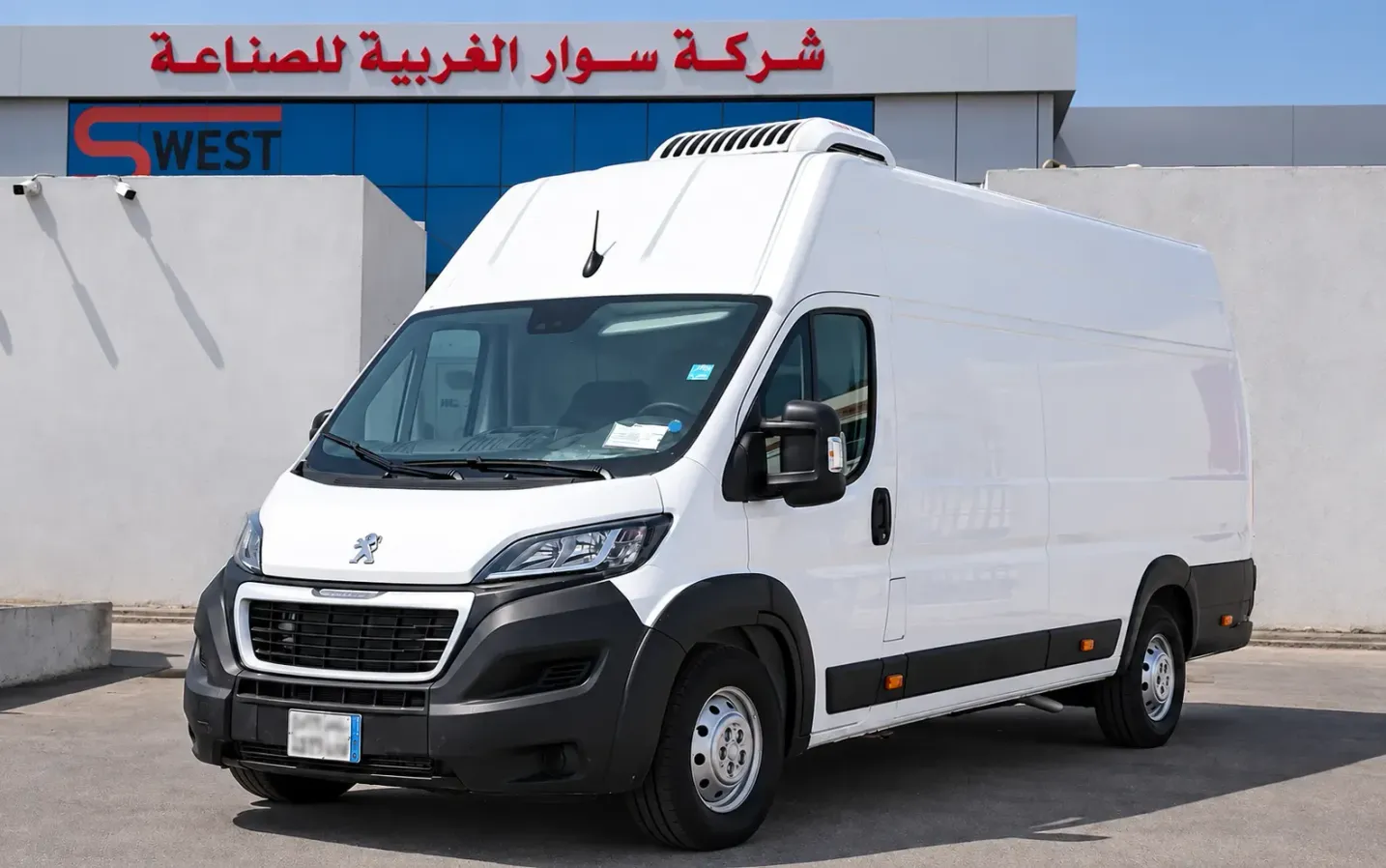
01Define your operating requirements first
Start with the product and its required temperature
Identify the products you carry, their temperature at loading and the temperature range they must remain within during transport. Use the product's handling instructions and the requirements applicable to your operation. Different foods do not necessarily share the same storage conditions, and a powerful unit does not make it appropriate to carry chilled and frozen goods together in one compartment. For products with different temperature requirements, assess whether they need separate trips, dedicated vehicles or independently controlled compartments where the design allows. Include packaging dimensions and loading arrangements in the brief: they affect usable space, airflow and cleaning.
Describe a real working day
Record the trip duration, distance, number of delivery stops, typical door-opening time and longest period spent waiting with the engine off. Distinguish between a multi-stop route within Jeddah and a direct journey to Makkah or Madinah. Similar distances can involve very different loading and operating conditions. For example, a van delivering small orders to many customers needs the effect of repeated door openings assessed. A vehicle on a direct route needs its journey duration, load and route conditions considered. These are illustrative scenarios; cargo-space dimensions alone are not enough to select either system.
02Choose between an insulated van and a refrigerated truck body
Check usable space and payload after conversion
A van may suit deliveries to locations with restricted access, while a refrigerated body on a light truck may better suit larger loads or a different handling arrangement. The choice depends on the dimensions and weight of your goods and access at delivery points, rather than the vehicle category alone. SWEST's truck refrigeration and freezing services provide a starting point for discussing truck-based requirements. Ask for the usable internal dimensions after insulation, the evaporator and any fittings are installed. Account for the weight of the insulation, body, refrigeration equipment and shelving when checking the vehicle's permitted payload. Available cargo volume and payload by weight are separate constraints.
Can your existing vehicle be converted?
An existing vehicle needs an assessment of its condition, dimensions and compatibility with the proposed mounting points and connections. Insulation thickness and evaporator placement can reduce loading space and headroom. The floor or doors may also need work before the conversion begins. SWEST's van insulation and cooling services cover preparing vehicles for refrigerated transport. Send the vehicle details and photographs so the team can establish a suitable scope of work. Do not assume that every vehicle can be converted using the same specification.
03Treat insulation and airflow as part of the cooling system
Inspect the floor, doors and joints—not just the walls
An insulated enclosure reduces heat transfer into the cargo space, but its performance also depends on joints, corners, door seals and openings needed for installation. Ask the supplier to specify the insulation material, thickness and sealing details. A proposal that simply says “fully insulated” leaves important decisions undefined. The appropriate thickness depends on the operating temperature, external conditions, vehicle construction and calculated heat load. Check that the internal lining suits the products and cleaning routine, and that the floor and any required drainage are properly detailed. Avoid gaps and damaged surfaces that can retain moisture or residues.
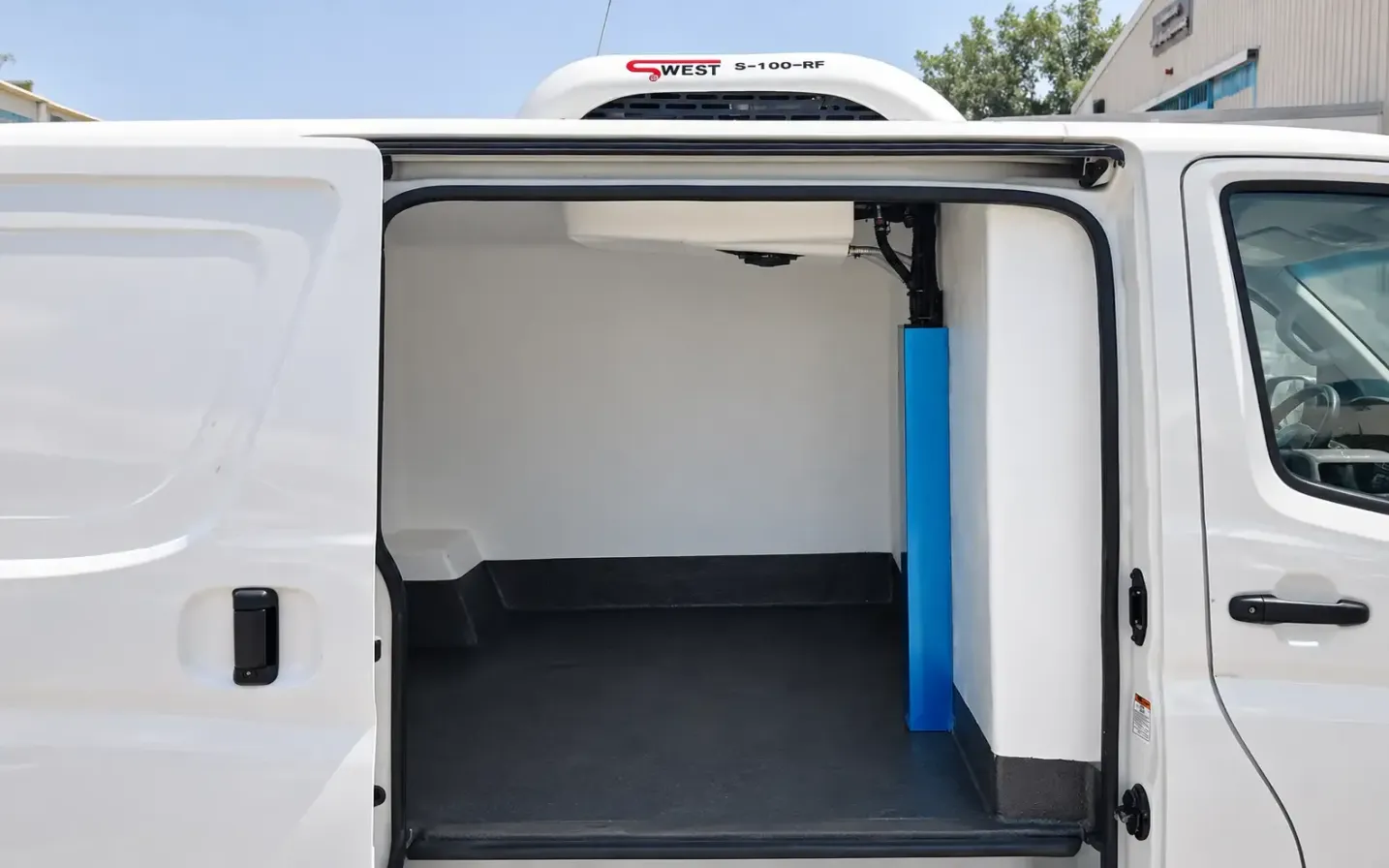
Keep a clear route for circulating air
The loading arrangement should allow cooled air to reach the goods and return to the evaporator. Do not block the unit's air inlets or outlets. Shelving, partitions and stacked packages must therefore be considered together with the airflow path and the loading limits of the design. Thermo King's loading and inspection guidance explains the importance of air circulation and pre-cooled products. These are general operating principles. Follow the instructions for your specific vehicle and refrigeration unit, together with the converter's guidance.
04Select the refrigeration unit and its power arrangement
Compare capacity at the required operating conditions
Ask the supplier to select the unit using the heat load, insulated compartment size, product temperature, outside conditions and door-opening pattern. A nominal capacity figure or a statement that a unit “fits this vehicle size” is insufficient unless the conditions behind that recommendation are clear. Available cooling capacity varies with operating and test conditions. Ask how the proposed model performs at your required temperature range, how it is controlled, whether defrost is needed and whether its mounting position suits the vehicle. Unit sizing is an engineering decision based on the application; one rule cannot reliably cover every refrigerated vehicle.
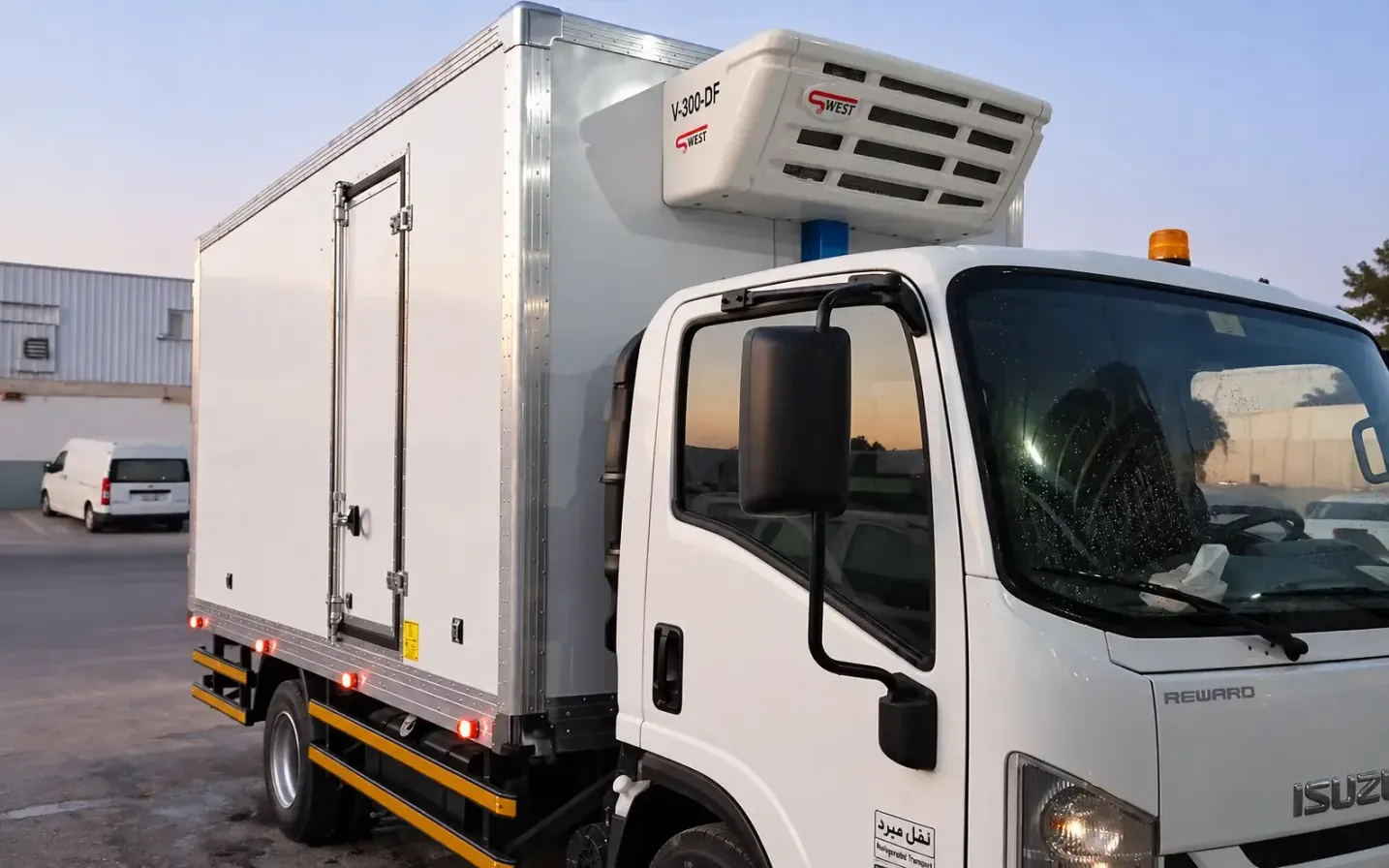
Will you need refrigeration while parked?
Some systems depend on the vehicle engine, while others use a different power source or offer electric standby operation, depending on the model and installation. Explain what happens during loading, waiting and overnight parking. Do not assume the refrigeration unit will continue running automatically when the engine is switched off. If electric standby is proposed, check that a suitable power supply is available where the vehicle will be parked. Clarify the connection, electrical protection and changeover arrangements. Whether standby is useful depends on product protection and the operating schedule; it is not universally essential or unnecessary for every business.
05Agree the conversion stages and handover criteria
From vehicle assessment to performance testing
A typical project includes reviewing the vehicle and its use, defining the compartment, insulation, unit and fittings, agreeing the quotation, completing the installation, then testing and handover. The details and sequence vary between lining an existing van and building a refrigerated body for a truck. Agree the performance test conditions before work begins: the target temperature, surrounding conditions, load condition and method of recording readings. An empty compartment reaching its set temperature does not, by itself, describe performance throughout a real delivery round. The agreed test should reflect the scope of work and intended use.

Understand the operating instructions and limitations
Ask for an explanation of the controller settings and alarms, pre-cooling, loading and cleaning procedures, and maintenance intervals specified for the unit. Check which documents, warranty terms and support services are included in the handover rather than assuming they form part of the quotation. Identify any regulatory requirements specific to your operation before committing, and check with the relevant authority where necessary. A completed conversion should not be treated as automatic evidence that a permit or official approval has been obtained.
06What determines refrigerated vehicle conversion costs in Jeddah?
Compare the scope before comparing the total
Cost depends on the vehicle's condition, compartment dimensions, insulation, lining and floor specification, whether a new body is needed, the refrigeration unit and operating range, any electric standby option, and the required internal fittings or monitoring equipment. Request an itemised proposal that states what is included in installation, testing, after-sales support and warranty, as well as tax and any excluded work. A unit-only installation is not directly comparable with a complete insulation and refrigeration conversion, even if both mention the same unit model. There is no single reliable price that applies to every van or light truck.
Include the delivery schedule in your decision
The completion time can be established after the vehicle assessment, specification approval and checks on the availability of the unit, materials and fabrication capacity. Ask for written milestones and a handover date. Explain when you need the vehicle in service, especially if it is already part of your delivery fleet. Consider the operational effect of taking it off the road, access to maintenance and the clarity of the warranty terms. The initial price matters, but a sound buying decision also requires equivalent specifications and a workable implementation schedule.
07Prepare your quotation brief and resolve key questions
Send a concise, practical requirements brief
Provide the vehicle make, model, photographs, cargo-space dimensions and current condition. Include the products, load weight, package dimensions, loading and storage temperatures, number of vehicles, delivery routes and the number and duration of stops. Explain how the vehicle is loaded, whether shelving, separate compartments or temperature recording are needed, how long it stays parked and whether electricity is available. Add your intended start date. This information helps suppliers reduce exclusions and prepare comparable proposals. You can request a refrigerated vehicle conversion quote from SWEST using the details you already have.
Can the unit cool a warm load during the journey?
Transport refrigeration is generally used to maintain the temperature of products already prepared for refrigerated transport. Do not assume it will bring a warm load down to the required temperature during a delivery round. Follow the product-handling requirements, unit instructions and agreed loading procedure, and identify any different cooling requirement before selecting the system.
Will a larger unit fix poor cooling?
Poor cooling can result from insulation problems, leaking door seals, restricted airflow, loading practices or a fault in the unit. The first step is to diagnose the cause, rather than automatically replacing the equipment with a larger model. An effective conversion combines a suitable vehicle, well-executed insulation, a unit selected for the operating conditions and clear loading and operating procedures. Start with the delivery route and product requirements, then agree the specification, cost and handover plan on that basis.
Have a project like this? Our engineering team in Jeddah runs the load calculation, proposes the solution, and comes back with a detailed quotation within one working day.
Read next
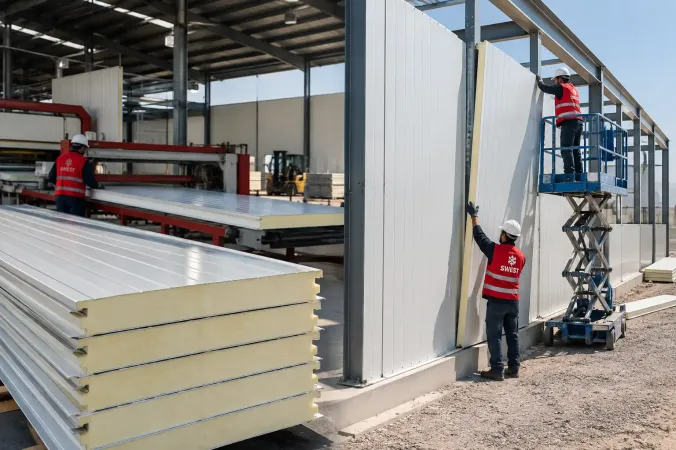
Sandwich Panels in Saudi Arabia: Types, Specifications and Cost Factors
A practical guide to specifying sandwich panels for warehouses and cold rooms: insulation cores, thickness, finishes, joints, installation and quotation scope.
Read the article
Refrigerated vehicle conversion: what gets checked before your van goes into service
Before you choose a refrigeration unit, you need to know what an inspector will look at. Most of what fails on a refrigerated vehicle is the insulation and the paperwork, not the unit on the roof.
Read the article